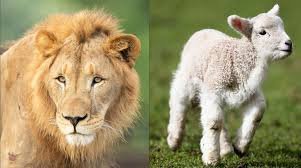
March in like a lion or lamb is a phrase many people hear every year when winter is ending and spring is coming. March in like a lion or lamb tells us about how the month of March will start. If March in like a lion, it means the month begins with strong, cold, and stormy weather, just like a fierce lion. If March in like a lamb, it shows that the month starts calm, gentle, and mild, just like a soft, peaceful lamb. People often wonder if this saying can really tell the weather for the whole month, and many enjoy using it as a fun way to watch how winter ends. March in like a lion or lamb also reminds us about changes in nature. Trees begin to wake up, flowers start to grow, and animals become more active. The phrase is more than just weather—it helps us notice how seasons change, teaching kids and adults alike about nature’s rhythms. Many cultures have sayings like this to describe the start of spring, showing how people have always looked at animals and nature to understand the world. Even today, meteorologists sometimes talk about March in like a lion or lamb in a fun way, though they use scientific tools for real weather predictions. Farmers, gardeners, and outdoor lovers also watch March closely. If March in like a lion, they prepare for cold nights and late snow, while a lamb start makes planting and outdoor work easier. This saying is also part of culture and tradition.
Table of Contents
History of March in Like a Lion or Lamb
The phrase “March in like a lion or lamb” has been around for hundreds of years. People long ago noticed that March could begin very differently depending on the year. In some years, March started with harsh weather like a lion, and in other years, it was calm like a lamb. Farmers especially paid attention because it affected planting and harvesting. If March in like a lion, they knew cold weather might still come, so they prepared their fields. If it was like a lamb, they could begin planting early. Over time, this saying became part of culture, literature, and folklore. Today, even though we have modern weather forecasting, the phrase is still popular. It reminds us to watch nature closely and respect the changing seasons.
What Does March in Like a Lion Mean?
When people say March in like a lion, they mean the month begins with strong, stormy, or cold weather. Winds may blow hard, and snow or rain can happen. It can feel wild, just like a lion. This type of start can last a few days but often gives a hint that winter is not yet finished. Watching a lion-like March teaches people to prepare for changing weather. Gardeners may delay planting, and families may stay indoors on stormy days. For kids, it is a fun way to observe nature and see how animals react to storms or cold winds. The lion start also has a strong visual image. People imagine a roaring lion to describe March’s power and intensity.
What Does March in Like a Lamb Mean?
If March begins like a lamb, the month starts calm, soft, and gentle. The weather is mild, with warm days and cool nights. Birds start singing, trees begin to grow buds, and flowers appear. A lamb start makes it easier for people to go outside, plan activities, and enjoy nature. It signals that winter is leaving, and spring is coming. Observing a lamb start also teaches patience and appreciation for small changes in nature. It shows that life can be gentle and that sometimes transitions happen smoothly. People enjoy March in like a lamb because it often brings hope, light, and energy for outdoor activities.
How to Observe March in Like a Lion or Lamb
Watching March to see if it begins like a lion or lamb can be fun for children and adults. You can look at the sky, clouds, and wind. Listen to the sounds of nature and notice how animals act. Snow, rain, and cold winds suggest a lion start. Sunny, calm days suggest a lamb start. Keep a simple diary of weather each day to see patterns over the years. This activity is educational and encourages observation, patience, and curiosity. Schools sometimes make projects based on this saying to teach kids about months, weather, and seasons. Families can enjoy checking the weather together and share their observations.
Why March in Like a Lion or Lamb is Important
Even though modern weather forecasting is accurate, the saying is still valuable. It teaches people to notice nature and understand seasonal changes. It connects science, culture, and tradition in a simple way. Farmers, gardeners, and outdoor enthusiasts still use it to guide their planning. Teachers use it to teach children about seasons and months. Writers and artists use the phrase to describe the month of March creatively. It is also part of history, showing how humans have always used nature and animals to understand the world.
Fun Ways to Celebrate March in Like a Lion or Lamb
You can make March in like a lion or lamb fun for kids and families. You can create a craft or drawing showing a lion and a lamb to mark the start of March. Outdoor activities like nature walks can help observe changes in weather and animals. Schools can have special lessons about March and the seasons. Families can take photos or make videos of snow or sunny days. Gardening is also a fun way to connect with the saying. By observing nature, you learn patience and enjoy the small signs that show the arrival of spring.
Science Behind March in Like a Lion or Lamb
There is some science behind the saying. March is a month of transition from winter to spring. Temperature changes, wind patterns, and storms happen frequently. A lion start often happens due to cold air masses and strong winds from the north. A lamb start occurs when milder air brings calm, warmer weather. While the phrase is not a scientific forecast, it is a simple way to notice seasonal changes. Scientists study these patterns to understand climate, but for everyday life, the saying helps people stay aware of nature.
March in Like a Lion or Lamb Around the World
Different countries have similar sayings about March and weather. People have always used animals to describe seasons. Lions, lambs, bears, and other animals appear in folklore to show the strength or gentleness of weather. This shows that humans everywhere connect animals to nature. Celebrating these sayings in stories, poems, and traditions makes learning about seasons fun. It also connects children to history, culture, and nature in an easy way.
How to Use March in Like a Lion or Lamb in Daily Life
You can use the saying to plan your month. Check the weather at the start of March. If it is like a lion, prepare for cold days and strong winds. Dress warmly, plan indoor activities, and watch for storms. If it is like a lamb, enjoy outdoor activities, gardening, and walks. Teachers can use it in lessons to show how months and seasons change. Families can make observing March a fun habit each year. Writing a short diary or taking photos is a good way to track March in like a lion or lamb. It also encourages creativity and mindfulness.
Conclusion
March in like a lion or lamb is more than a simple saying. It combines weather, nature, tradition, and culture. It teaches observation, curiosity, and patience. People of all ages can enjoy watching March start, whether fierce like a lion or gentle like a lamb. It encourages learning, creativity, and connection with the world around us. Even with modern technology, this old saying remains fun and meaningful. Watching March in like a lion or lamb helps families, teachers, and children enjoy nature and the changing seasons.
FAQs
Q1: Can March in like a lion or lamb predict the whole month’s weather?
A1: Not exactly. It only describes the start of March. The rest of the month can change, but it gives a fun hint about how March begins.
Q2: Where did the phrase come from?
A2: It is an old saying from Europe that has been used for hundreds of years. Farmers and storytellers used it to observe nature and seasons.
Q3: Is it always true?
A3: No. It is a traditional saying. Some years, March starts like a lion but becomes mild, and other years it starts like a lamb but turns stormy.