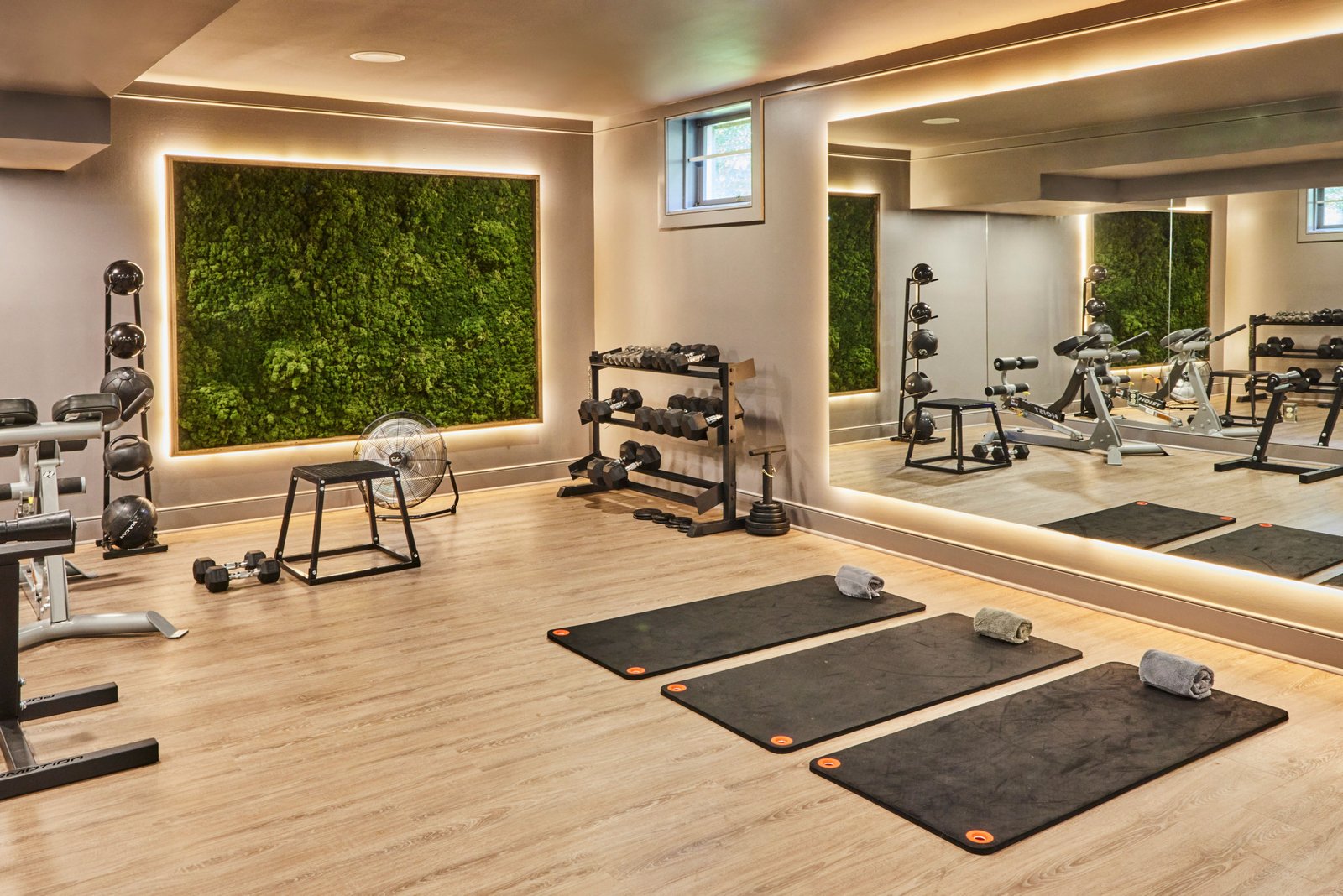
Creating a home gym has become a top priority for many people, as the convenience, cost-effectiveness, and ability to work out on your own schedule are undeniable advantages. Whether you’re a fitness enthusiast or just starting, designing a home gym tailored to your goals can have a significant impact on your physical health and overall well-being.
In this article, we will explore everything you need to know about building an effective home gym, from selecting the right equipment to setting up a motivating workout space. You’ll learn how to optimize your workout area, choose the best equipment, and create a consistent routine that helps you achieve your fitness goals.
Table of Contents
Why Build a Home Gym
Creating a home gym offers multiple benefits. For one, it eliminates the need to commute to a commercial gym, saving you valuable time and money. It also gives you complete control over your workout schedule, letting you exercise whenever it’s most convenient. Furthermore, working out at home offers privacy and a relaxed atmosphere, allowing you to focus entirely on your fitness goals without distractions.
Essential Factors for Setting Up Your Home Gym
Before you start purchasing equipment and dedicating space, it’s essential to understand the key factors that will make your home gym effective. Here’s what you should consider:
1. Available Space
One of the first steps in building a home gym is selecting the right space. It could be a spare room, a basement, or even a corner in your living room. The size of the space will influence the type and amount of equipment you can include. Make sure you leave enough room for movement, stretching, and proper circulation. A spacious and well-ventilated area will make your workout environment more comfortable and enjoyable.
2. Budget Considerations
Setting a budget is crucial when designing your home gym. The amount of money you’re willing to spend will determine the type of equipment and how much variety you can include. While high-end gym equipment can be expensive, you can still create an effective home gym with a moderate budget by focusing on essential equipment.
3. Fitness Goals
Your fitness goals should directly impact your equipment choices. Are you focused on strength training, cardio, or flexibility? Knowing your specific objectives will help guide your purchasing decisions. For example, if you want to build muscle, you’ll need weights, resistance bands, and machines like a bench press or squat rack. On the other hand, if you’re aiming for cardiovascular fitness, you may focus more on a treadmill, exercise bike, or rowing machine.
Key Equipment for Your Home Gym
Now that you’ve selected your space and established a budget, it’s time to choose the right equipment for your home gym. Here are some essentials that can provide a comprehensive workout experience.
1. Dumbbells and Resistance Weights
If you’re focusing on strength training, dumbbells and resistance weights are vital. They are versatile and allow you to perform a wide range of exercises. Adjustable dumbbells are a great space-saving solution if you’re limited on space. You can also include kettlebells for functional fitness and adding variety to your workout routine.
2. Cardio Machines
A cardio machine can elevate your fitness game by improving cardiovascular health and burning fat. The most common options are treadmills, elliptical machines, stationary bikes, and rowing machines. Consider your space constraints when choosing a machine—some models are foldable and take up less room when not in use.
3. Yoga Mats and Stability Balls
For flexibility and core strength, yoga mats and stability balls are indispensable. These are great for activities like yoga, pilates, or stretching exercises. Stability balls help with balance and stability, while yoga mats provide comfort and support during floor exercises. Both are lightweight and easy to store.
4. Resistance Bands
Resistance bands are affordable, portable, and versatile, making them an excellent addition to any home gym. They come in different resistance levels and can be used for strength training, stretching, or improving mobility. Plus, they are compact and easy to store.
5. Adjustable Bench
An adjustable bench is a must-have for performing various exercises such as bench presses, dumbbell flyes, and even step-ups. An adjustable bench allows you to set the incline or decline to perform a variety of upper-body exercises. This piece of equipment adds considerable variety to your workout routine without taking up too much space.
6. Pull-Up Bar
Pull-ups and chin-ups are great exercises for building upper-body strength. Installing a pull-up bar in your home gym can help you develop your back, arms, and core. Some pull-up bars are designed to be mounted on door frames, while others are freestanding, allowing you to work out at home without a dedicated structure.
Creating the Right Atmosphere for Your Home Gym
The atmosphere in your home gym plays a significant role in your workout experience. A motivating, comfortable environment can encourage consistency and make exercising more enjoyable. Here are some tips for creating a motivating space:
1. Lighting and Ventilation
Proper lighting is essential for creating an energizing atmosphere. Ideally, you should have bright, natural lighting to reduce fatigue and improve focus. Ventilation is equally important to keep the space cool and comfortable. Open windows, ceiling fans, or air conditioning can help prevent stuffiness during intense workouts.
2. Music and Audio Systems
Music can significantly boost your workout performance and mood. Create a playlist with high-energy tracks to help you stay motivated. Consider adding an audio system to your home gym for high-quality sound. This will ensure you stay immersed in your workout without interruptions.
3. Mirrors for Form Correction
Mirrors are essential for form correction, especially when performing weightlifting exercises. They allow you to monitor your posture and movements in real-time, helping to prevent injuries. A full-length mirror is ideal, but if space is tight, a smaller mirror will still be helpful.
4. Personalization
Personalize your home gym with motivational posters, inspiring quotes, or personal memorabilia that keep you motivated. This will transform the space into a workout sanctuary that motivates you to show up every day.
Tips for Staying Consistent with Your Home Gym
While having a home gym offers unparalleled convenience, consistency is key to seeing results. Here are some tips to ensure you stay on track:
1. Set Realistic Goals
Set specific, measurable, and realistic fitness goals. These goals will give you direction and focus. Whether it’s to lose a certain amount of weight, run a specific distance, or increase your strength, having clear goals helps keep you motivated and accountable.
2. Create a Schedule
Establish a regular workout schedule that fits your lifestyle. Consistency is vital for progress, so set aside dedicated time each day or week for your workout sessions. Treat your home gym time like an appointment to ensure you stick to it.
3. Track Progress
Tracking your progress is essential for understanding where you are and where you need to improve. Use a fitness app, journal, or even a simple calendar to record your workouts. This will give you a sense of accomplishment and motivate you to push forward.
4. Join Fitness Challenges or Groups
Engage in online fitness challenges or groups that encourage friendly competition and community support. Many apps and social media platforms have fitness communities where members share their progress, tips, and challenges, which can help you stay motivated.
Conclusion
Building a home gym is one of the best investments you can make for your health and fitness journey. With careful planning, the right equipment, and a motivating environment, you can achieve your fitness goals right from the comfort of your own home. Remember to stay consistent, track your progress, and make your home gym a space you love to visit.
FAQs
1. What equipment do I need for a basic home gym?
A basic home gym typically includes dumbbells, a yoga mat, resistance bands, a bench, and cardio equipment like a treadmill or stationary bike. These essentials will allow you to perform a variety of workouts, from strength training to cardio exercises.
2. How much space do I need for a home gym?
The space required depends on the type of workouts you plan to do. For basic exercises like bodyweight training, a small corner will suffice. However, for larger equipment such as cardio machines or weightlifting stations, you’ll need more room. Typically, 100–200 square feet is ideal.
3. Can I build a home gym on a budget?
Yes, you can! Start with essential equipment like dumbbells, resistance bands, and a yoga mat. As your budget allows, you can invest in more specialized gear like a treadmill or adjustable bench.
4. How can I make my home gym more motivating?
Personalize your space with motivational quotes, music, and mirrors to ensure proper form. Keeping the gym well-lit and ventilated also creates a positive workout environment.
5. How can I stay consistent with my home gym workouts?
Set realistic goals, schedule regular workout times, and track your progress. You can also join fitness challenges or groups to stay motivated and engaged.