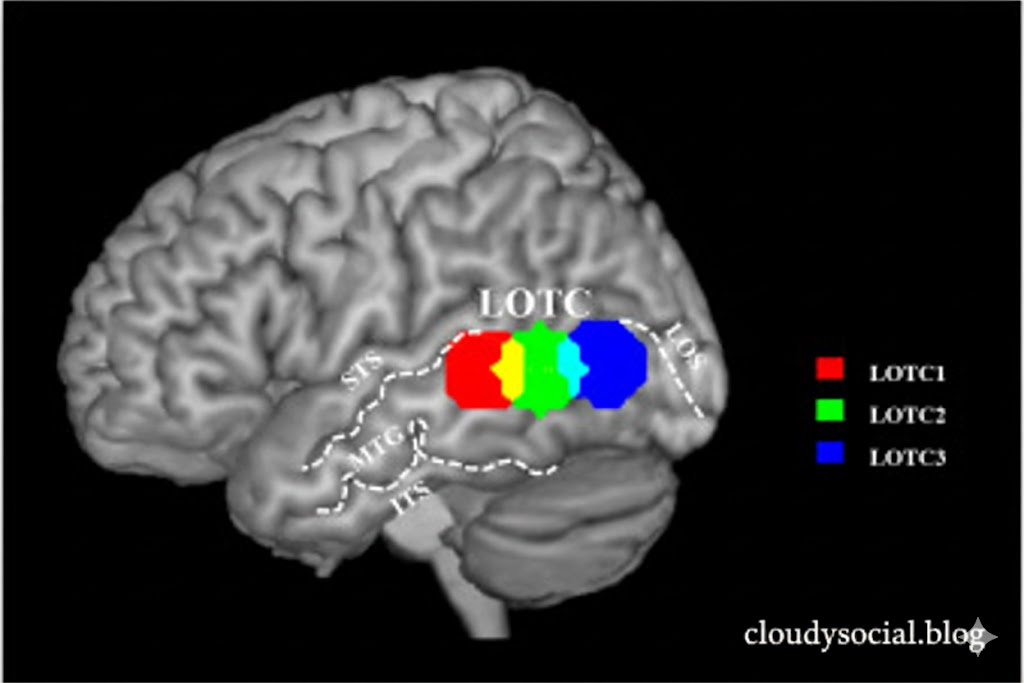
Ficulititotemporal is a brain-related condition that many people find confusing at first.
This term is often searched when someone notices changes in speech, memory, or behavior.
The condition affects important parts of the brain that control how we talk, think, and act.
Because these changes happen slowly, families may not notice them early.
In this guide, I will explain ficulititotemporal in very simple words so anyone can understand it.
The goal is to help readers feel informed, calm, and supported.
This article is written for real people, not just for search engines.
You will learn what ficulititotemporal is, why it happens, and how people manage it daily.
Table of Contents
What Is Ficulititotemporal?
Ficulititotemporal is a neurological condition that mainly affects the frontal and temporal lobes of the brain.
These areas are responsible for behavior, speech, emotions, and memory.
When these brain parts are damaged or stop working properly, everyday life becomes difficult.
People with ficulititotemporal may slowly lose the ability to speak clearly or behave normally.
They may struggle to remember simple things or react in ways that seem unusual.
This condition does not appear suddenly like an injury.
Instead, it develops slowly over time.
Early understanding of ficulititotemporal helps families prepare and manage symptoms better.
Why the Frontal and Temporal Lobes Are Important
The frontal lobe controls planning, decision-making, emotions, and behavior.
The temporal lobe plays a key role in speech, language understanding, and memory.
Ficulititotemporal affects both of these areas, which explains the wide range of symptoms.
When the frontal lobe is damaged, behavior may change dramatically.
A person may act impulsively or lose social awareness.
When the temporal lobe is affected, speech becomes difficult.
Words may be forgotten or sentences may not make sense.
Understanding these brain functions helps families realize that changes are medical, not personal.
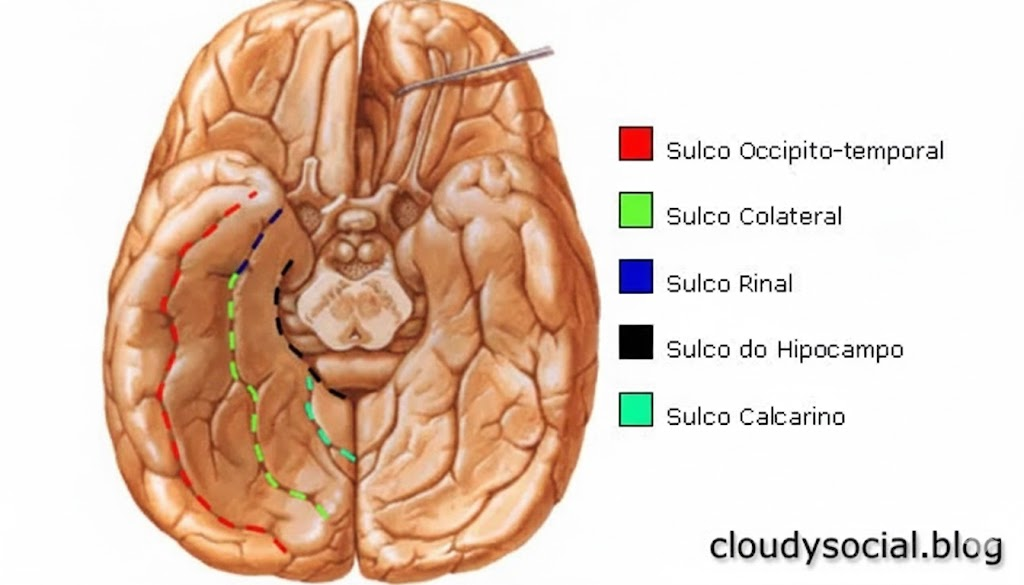
Common Symptoms of Ficulititotemporal
Symptoms of ficulititotemporal can look different in each person.
However, there are some common signs that many people experience.
Speech problems are often the first noticeable symptom.
People may pause often while speaking or forget common words.
Behavior changes are also very common.
This includes mood swings, confusion, or loss of interest in activities.
Memory issues may appear later.
As the condition progresses, symptoms usually become stronger.
Recognizing early symptoms helps doctors plan proper care and support.
Behavioral Changes in Ficulititotemporal
Behavioral changes are one of the most challenging parts of ficulititotemporal.
A person who was once calm may become easily upset or aggressive.
They may say things without thinking or ignore social rules.
This behavior is not intentional.
It happens because the brain can no longer control emotions properly.
Family members often feel hurt or confused by these changes.
Learning about ficulititotemporal helps reduce frustration and blame.
Patience and emotional support become very important for caregivers.
Speech and Language Problems Explained
Speech issues are a key feature of ficulititotemporal.
Many people struggle to find the right words during conversations.
Some may repeat the same word again and again.
Others may stop talking completely as the condition progresses.
Understanding spoken language can also become difficult.
This makes following instructions or conversations hard.
Speech therapy plays an important role in managing these problems.
Early therapy can help maintain communication skills for longer.
Causes of Ficulititotemporal
The exact cause of ficulititotemporal is not always clear.
In many cases, genetics may play a role.
Some families have a history of similar brain conditions.
Brain injuries or neurological disorders may also increase risk.
Sometimes, the condition appears without any known cause.
Researchers are still studying how and why ficulititotemporal develops.
Understanding possible causes helps doctors provide better guidance.
It also helps families prepare for long-term care needs.
How Ficulititotemporal Is Diagnosed
Diagnosing ficulititotemporal can take time.
There is no single test that confirms the condition.
Doctors observe behavior and speech patterns carefully.
Brain imaging scans help identify affected areas.
Medical history and family background are also reviewed.
Sometimes, multiple specialists are involved.
This process can feel stressful for families.
However, accurate diagnosis is important for proper treatment planning.
Treatment Options for Ficulititotemporal
There is no permanent cure for ficulititotemporal.
Treatment focuses on managing symptoms and improving quality of life.
Speech therapy helps people communicate better.
Behavior therapy helps manage emotional changes.
Medications may reduce anxiety or mood problems.
Routine and structure play a big role in treatment.
Family involvement improves results significantly.
Early treatment helps slow symptom progression.
Daily Management and Care Tips
Daily care for ficulititotemporal requires patience and understanding.
Simple routines reduce confusion and stress.
Clear schedules help maintain calm behavior.
Caregivers should speak slowly and use simple words.
Avoid arguments and loud environments.
Emotional support is just as important as medical care.
Support groups can help families feel less alone.
Proper care improves both patient and caregiver well-being.
Real-Life Example for Better Understanding
I once spoke with a caregiver supporting her father with ficulititotemporal.
She noticed small speech issues first.
Over time, his behavior slowly changed.
After diagnosis, speech therapy improved communication.
Daily routines helped reduce confusion.
Understanding the condition reduced family stress.
This real example shows how awareness improves care.
Knowledge empowers families to handle challenges better.
Ficulititotemporal Biography Table
| Aspect | Details |
| Term Name | Ficulititotemporal |
| Brain Areas Affected | Frontal and Temporal Lobes |
| Main Functions Impacted | Speech, behavior, memory |
| Common Symptoms | Speech loss, behavior change, confusion |
| Possible Causes | Genetics, brain injury, neurological factors |
| Diagnosis Methods | Observation, brain scans, history |
| Treatment Type | Therapy, medication, support care |
| Cure Available | No permanent cure |
| Management Approach | Routine, therapy, family support |
| Progression | Slow and gradual |
Frequently Asked Questions
Is ficulititotemporal a form of dementia?
Ficulititotemporal is related to dementia but not exactly the same.
It mainly affects behavior and speech first.
Can ficulititotemporal be cured?
There is no cure.
Treatment focuses on managing symptoms.
Does it affect speech early?
Yes, speech problems often appear first.
Is it inherited?
Sometimes, but not always.
How fast does it progress?
Progression is slow and gradual.
Can therapy help?
Yes, therapy improves daily functioning.
Final Conclusion
Ficulititotemporal is a serious but manageable condition.
Understanding it helps families provide better care.
Early diagnosis and support improve quality of life.
Routine, therapy, and patience make a big difference.
If you found this guide helpful, share it with others.
Awareness creates understanding and support for everyone.