
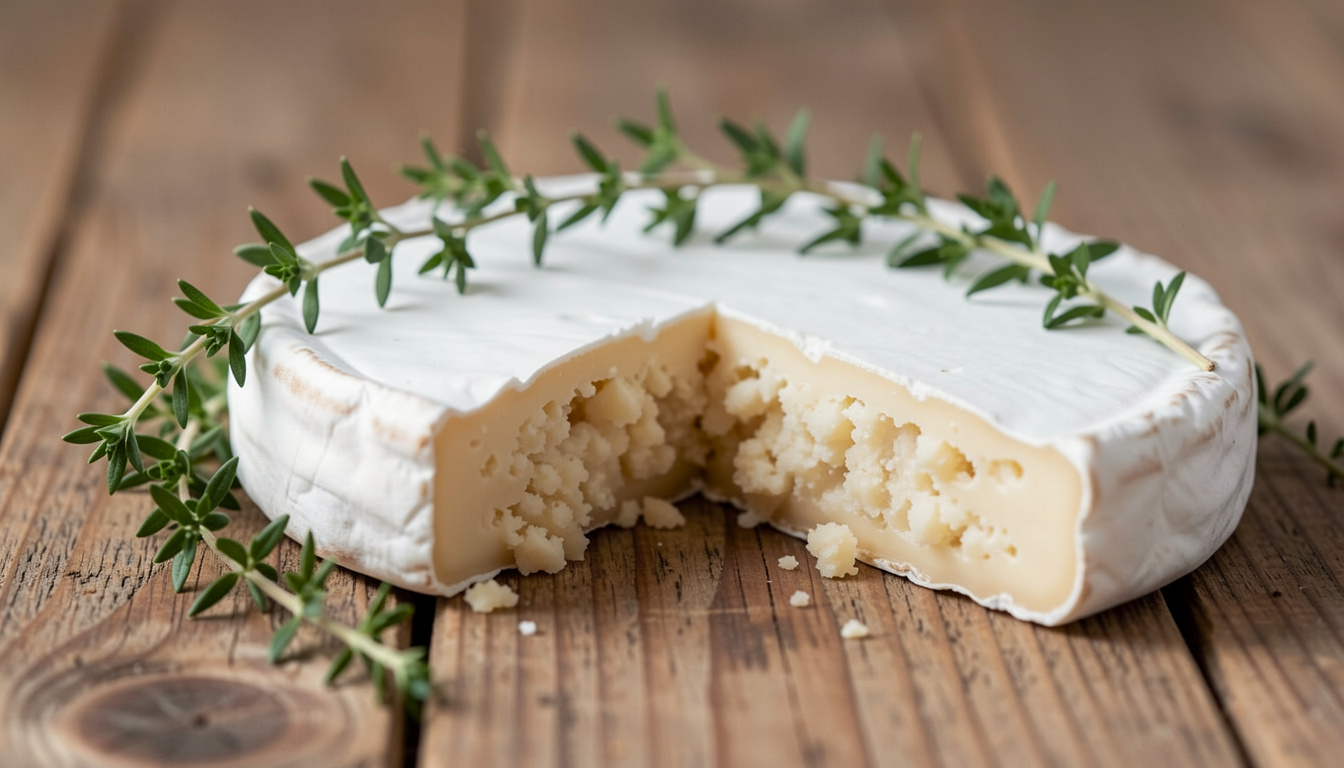
Chevre cheese, often simply called goat cheese, is a soft, creamy cheese made from goat’s milk. Its name comes from the French word chèvre, which means goat. Known for its tangy flavor and smooth texture, Chevre cheese has been enjoyed for centuries. Unlike cow’s milk cheese, it has a unique aroma and a slightly earthy taste. People love it on salads, sandwiches, crackers, or even desserts.
Whether you are a cheese enthusiast or just starting to explore, Chevre cheese offers a delightful mix of flavor and nutrition. In this guide, we’ll explore its history, types, health benefits, and creative ways to enjoy it.
Table of Contents
What is Chevre Cheese?
Chevre cheese is a soft cheese made primarily from goat’s milk. It can be fresh, aged, or flavored with herbs, spices, or even fruits. The texture varies from creamy and spreadable to crumbly. Fresh Chevre cheese is usually white, smooth, and slightly tart, while aged versions are firmer and more complex in taste.
Goat milk used in Chevre cheese contains smaller fat globules than cow milk, making it easier to digest for many people. This cheese is naturally lower in lactose and often preferred by those sensitive to cow’s milk. Chevre cheese also pairs beautifully with wines, fruits, and nuts.
History of Chevre Cheese
Chevre cheese has a long history dating back over 4,000 years. It originated in France, where goat herding was common in hilly regions. The cheese became popular due to its ease of production and long shelf life compared to cow’s milk cheese.
French monasteries and farmers refined Chevre cheese over centuries, creating various types with different textures and flavors. Today, Chevre cheese is enjoyed worldwide, with variations in the U.S., Spain, and Italy. Its traditional French roots still make it a symbol of artisanal craftsmanship.
Types of Chevre Cheese
Chevre cheese comes in many forms:
- Fresh Chevre: Soft, spreadable, tangy, and ideal for salads or spreads.
- Aged Chevre: Firm, crumbly, with a stronger flavor.
- Herbed Chevre: Flavored with herbs like rosemary, thyme, or chives.
- Flavored Chevre: Mixed with fruits, spices, or honey for dessert-friendly varieties.
Each type of Chevre offers a unique taste and texture, making it versatile for cooking or eating fresh.
Nutritional Value of Chevre Cheese
Chevre cheese is packed with nutrients. A small serving contains protein, calcium, and vitamins like B2 and B12. It’s lower in fat and calories than many cow milk cheeses. Goat cheese is also rich in medium-chain fatty acids, which may support heart health.
Because it’s easier to digest, Chevre cheese is often recommended for people with mild lactose intolerance. However, it should still be consumed in moderation due to its sodium content. Overall, it’s a tasty and healthy cheese option for a balanced diet.
How to Store Chevre Cheese
Proper storage keeps Chevre cheese fresh and flavorful. Always refrigerate it in an airtight container to prevent moisture loss. Fresh Chevre lasts about 1–2 weeks, while aged versions can last longer.
Avoid storing Chevre cheese near strong-smelling foods, as it can absorb odors. For longer storage, you can freeze Chevre, but the texture may become crumbly. Bringing it back to room temperature before serving helps restore its creamy texture.
How to Serve Chevre Cheese
Chevre cheese is versatile and easy to serve:
- Spread on bread or crackers.
- Crumble over salads, pasta, or pizza.
- Mix into omelets or frittatas.
- Pair with honey, figs, or nuts for desserts.
Its tangy flavor complements both sweet and savory dishes. Chevre cheese can also be baked or grilled, adding creaminess and a mild sharpness to any meal.
Chevre Cheese Pairings
Chevre cheese pairs beautifully with:
- Fruits: Apples, pears, and berries.
- Nuts: Walnuts, almonds, or pecans.
- Beverages: Sauvignon Blanc, Chardonnay, or dry rosé.
- Vegetables: Beets, roasted peppers, or zucchini.
These pairings enhance Chevre’s natural flavor and make meals more balanced and visually appealing.
Cooking with Chevre Cheese
Cooking with Chevre cheese is simple. You can:
- Add it to pasta or risotto for creaminess.
- Bake it into tarts, quiches, or savory pastries.
- Blend it into dips with herbs and olive oil.
- Use it in sandwiches and wraps for a tangy twist.
Its creamy texture makes Chevre cheese ideal for both raw and cooked recipes.
Chevre Cheese vs Other Cheeses
Chevre cheese stands out from cow milk cheeses:
- Tangier and more earthy than cream cheese.
- Softer and more spreadable than feta.
- Lower in lactose than most cow cheeses.
- Unique aroma that pairs well with both sweet and savory foods.
These qualities make Chevre a favorite among cheese enthusiasts worldwide.
Health Benefits of Chevre Cheese
Chevre cheese offers several health benefits:
- Digestive Health: Easier to digest than cow milk cheese.
- Bone Health: Rich in calcium for strong bones.
- Heart Health: Contains healthy fatty acids.
- Weight Management: Lower in calories and fat compared to other cheeses.
Eating it in moderation can add nutrition and flavor to your meals.
Chevre Cheese Fun Facts
- Chevre cheese has been made for over 4,000 years.
- France produces hundreds of Chevre varieties.
- It can be aged for months, creating complex flavors.
- It pairs well with honey and fruit for desserts.
FAQ About Chevre Cheese
1. Is Chevre cheese healthy?
Yes, it is rich in protein, calcium, and vitamins while lower in fat than many cow cheeses.
2. Can lactose-intolerant people eat Chevre cheese?
Many can, as goat milk contains less lactose and is easier to digest.
3. How long does Chevre cheese last?
Fresh Chevre lasts 1–2 weeks in the fridge. Aged varieties last longer.
4. What is the best way to serve Chevre cheese?
Spread it on bread, crumble over salads, or pair with fruits and nuts.
5. Can Chevre cheese be cooked?
Yes, it melts well in pasta, quiches, tarts, and even baked dishes.
6. What wine pairs best with Chevre cheese?
Sauvignon Blanc, Chardonnay, or dry rosé complement its tangy flavor.
Conclusion
Chevre cheese is more than just goat cheese; it’s a versatile, flavorful, and healthy choice for meals. From fresh spreads to aged varieties, it offers something for everyone. Try it on salads, in baking, or paired with fruits and wine to experience its full potential.
Exploring Chevre cheese can open up a new world of flavors and textures, making your meals more enjoyable and nutritious. Don’t hesitate—grab some Chevre cheese and experiment with your favorite recipes today!


