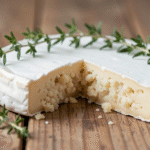
Cheese lovers, meet Gournay cheese, a creamy delight from France that has won hearts worldwide. This soft cheese is known for its smooth texture, mild flavor, and versatile use in cooking and snacks. Whether spread on a cracker or melted in a recipe, Gournay cheese adds a luxurious touch to any meal. In this guide, we will explore everything about this cheese, including its history, nutritional value, cooking ideas, and tips for storage. By the end, you’ll be ready to enjoy Gournay cheese like a true cheese expert.
Table of Contents
What Is Gournay Cheese?
Gournay cheese is a soft, creamy cheese that comes from the Normandy region in France. Traditionally, it is made from cow’s milk and aged briefly, giving it a delicate, buttery flavor. Unlike strong cheeses, Gournay is mild, making it perfect for those who prefer a gentle taste. Its creamy texture spreads easily on bread, crackers, and even fruits. The cheese also has a beautiful white rind that is edible and adds to the experience. People often confuse it with Brie or Camembert, but Gournay cheese has its own unique characteristics that set it apart.
History and Origin of Gournay Cheese
Gournay cheese has a rich history dating back to the 18th century in Normandy. It was originally produced in small farms using traditional methods. Over time, the cheese gained popularity across Europe for its creamy texture and approachable flavor. French families often enjoy it during festive occasions, pairing it with fresh bread or fruits. Today, Gournay cheese is also produced commercially, but artisanal versions still exist for cheese enthusiasts who want an authentic experience.
Taste and Texture Profile
Gournay cheese has a mild, slightly tangy taste with a buttery finish. Its texture is soft, creamy, and spreadable, making it perfect for sandwiches, crackers, or baked dishes. Unlike harder cheeses, it melts quickly and evenly, which makes it an excellent addition to sauces or pasta. The white rind is edible and adds a subtle earthy flavor, enhancing the overall taste. Many people enjoy tasting Gournay cheese with fresh fruits, nuts, or a glass of white wine.
Nutritional Benefits of Gournay Cheese
Gournay cheese is not just delicious but also nutritious. It provides a good source of protein and calcium, which are essential for bone health. Additionally, it contains vitamins like B12 and riboflavin. While it is rich and creamy, consuming it in moderation can be part of a healthy diet. Compared to some hard cheeses, Gournay is easier to digest due to its soft texture and lower salt content. For people looking to enjoy cheese without overindulging, Gournay cheese is an excellent choice.
How to Store Gournay Cheese
Storing Gournay cheese properly ensures it stays fresh and flavorful. Keep it in the refrigerator at 35–40°F (1–4°C). Wrap it in wax paper or parchment paper, then place it in a loose plastic bag. Avoid airtight containers, as Gournay cheese needs to breathe. It is best consumed within a week after opening, but unopened cheese can last up to two weeks. Always check for any unusual smell or discoloration before eating. Proper storage preserves its creamy texture and mild taste.
Cooking With Gournay Cheese
Gournay cheese is incredibly versatile in cooking. Its creamy texture makes it ideal for spreading, baking, and melting. You can use it in:
- Sandwiches and wraps
- Pasta sauces and gratins
- Stuffed vegetables
- Salads and cheese boards
The mild flavor blends well with herbs, fruits, and nuts. Unlike strong cheeses, Gournay doesn’t overpower dishes, making it perfect for family-friendly recipes.
Gournay Cheese Pairings
Pairing Gournay cheese enhances the tasting experience. Some popular pairings include:
- Fresh fruits like apples, pears, or grapes
- Nuts such as walnuts or almonds
- Crackers or baguettes
- Light white wines like Chardonnay or Sauvignon Blanc
Experimenting with pairings can make your cheese tasting more enjoyable and fun.
Difference Between Gournay Cheese and Brie
While both are soft French cheeses, Gournay and Brie have key differences. Gournay cheese is slightly tangier, creamier, and less pungent than Brie. Brie has a firmer texture and a more pronounced earthy flavor. Both are delicious, but Gournay is ideal for those seeking a milder, spreadable option.
Buying Tips for Gournay Cheese
When buying Gournay cheese, look for:
- Smooth, creamy texture
- White, edible rind
- Fresh aroma without sourness
- Artisanal or reputable brands for quality
Avoid cheeses that appear dry, cracked, or have a strong, unpleasant smell. Quality Gournay cheese ensures a delightful tasting experience.
FAQs About Gournay Cheese
1. Is Gournay cheese good for spreading?
Yes, its creamy texture makes it perfect for spreading on bread or crackers.
2. Can Gournay cheese be melted?
Absolutely! It melts quickly, ideal for pasta, sauces, and baked dishes.
3. How long does Gournay cheese last?
Unopened, up to two weeks in the fridge; opened, about one week.
4. Is Gournay cheese healthy?
In moderation, yes. It provides protein, calcium, and essential vitamins.
5. Can I eat the rind?
Yes, the white rind is edible and adds a subtle flavor.
6. What wines pair well with Gournay cheese?
Light white wines like Chardonnay or Sauvignon Blanc complement its mild taste.
Conclusion
Gournay cheese is a versatile, creamy delight perfect for every cheese lover. From its mild taste and smooth texture to its nutritious benefits and cooking versatility, it deserves a spot in your kitchen. Experiment with pairings, recipes, and storage tips to fully enjoy its richness. Next time you plan a cheese board or a creamy recipe, remember Gournay cheese—it’s a soft, buttery experience you won’t forget.