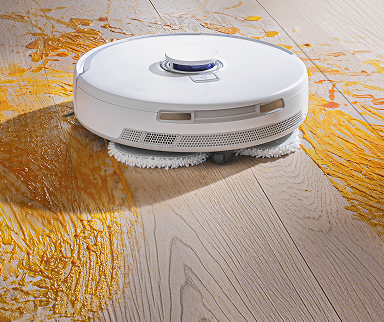
Daily life in the United States moves fast. Many people work long hours and manage family needs. Cleaning still matters, but free time is limited. That is why automated cleaning has become part of the daily routine.
A robot vacuum fits this new rhythm. It cleans in the background while people do other tasks. It also supports a consistent schedule, even on busy days. For many households, that steady help reduces stress.
Busy Schedules Leave Less Room for Chores
Many American households run on tight calendars. Commutes, school pickups, and meal prep fill the day. After that, few people want to spend an hour on floors. A hands-free option becomes more appealing over time.
Remote work can also increase mess at home. More meals happen in the kitchen. More footsteps pass through hallways. Floors show dust and crumbs faster than before. Daily upkeep becomes more important, but harder to maintain.
Cleaner Floors Require Consistency, Not Occasional Effort
Floors look best when they are cleaned often. Waiting for the weekend can let dirt build up. Pet hair and dust can spread from room to room. Small messes become bigger problems if ignored.
Automated cleaning supports “small and often” habits. A short daily run can keep dust low. This makes the home feel fresher with less effort. It also reduces how often people need deep cleaning sessions.
The Pet Factor
Pets are a major reason floors get dirty fast. Hair sheds daily and collects along edges. Litter, dander, and tracked-in debris add to the load. For pet owners, manual sweeping can feel endless.
A daily cleaning routine can help manage these issues. It keeps hair from forming clumps under furniture. It also helps reduce odors tied to dust buildup. For many pet owners, that daily support is a big win.
Homes Have More Mixed Surfaces Than Before
Many homes have a mix of surfaces. You may see tile in kitchens, hardwood in living rooms, and rugs in bedrooms. Cleaning each surface can require different tools. That can feel annoying and time-consuming.
Automated floor cleaners are designed for variety. They move across rooms without needing a tool change. This can be useful for open layouts. It helps people maintain a consistent level of cleanliness across the home.
Technology Makes Daily Use Simpler
Ease of use is a key reason adoption is rising. Many people want tools that work without extra steps. Simple controls and scheduling options fit modern habits. People can start a run with a quick tap or a set routine.
Better navigation also helps. Devices can map spaces and avoid common obstacles. They can clean in logical paths instead of random movement. This improves trust and reduces frustration during daily use.
Less Physical Strain Matters
Traditional vacuuming can be tiring. Bending, lifting, and pushing can strain the back. This can be difficult for older adults or people with injuries. It can also be hard after a long workday.
Automated cleaning reduces physical effort. It also lowers the need to move heavy tools room to room. People can keep floors tidy with less discomfort. That practical benefit often drives long-term use.
Health and Comfort Are Strong Motivators
Dust can affect comfort in many homes. It builds on floors, then spreads into the air as people walk. Allergies can get worse when dust is left for too long. Regular cleaning can make a noticeable difference.
Daily floor care also supports a cleaner feel in shared spaces. Kitchens and entryways often collect the most debris. Keeping those areas clean can improve the overall home experience. It also makes surprise guests less stressful.
The Appeal of “Set It and Forget It”
Many people prefer systems that run with little attention. They already manage many apps and reminders. Cleaning is one more thing they do not want to track. A scheduled routine reduces mental load.
This approach also helps families stay consistent. Even if someone forgets to vacuum, the routine still happens. Over time, floors stay cleaner with fewer interruptions. That reliability is a major reason households keep using it.
Small Homes and Large Homes Both Benefit
Apartments often have limited storage. A compact cleaning setup can be easier to manage. It also helps keep small spaces from feeling cluttered. In tight layouts, dust can be noticed quickly.
Larger homes face a different problem. More square footage takes more effort to clean. It can be hard to cover every room often. Automated cleaning can handle routine upkeep, which saves time for other tasks.
What Households Commonly Look For
People usually focus on practical needs first. They want strong daily pickup for dust and crumbs. They also want smooth movement around furniture. A tool that gets stuck often will not feel helpful.
Maintenance also matters. Households prefer simple emptying and easy cleaning. They also value predictable performance. When a system feels reliable, it becomes part of the daily flow.
Simple Habits Make the Biggest Difference
Even the best tools work better with small habits. Clearing loose cables can prevent interruptions. Picking up small items from the floor helps avoid snags. These steps take minutes, but improve results.
Some households also set “no-go” zones. This keeps cleaning focused on high-traffic areas. It can also protect delicate spaces. With small adjustments, daily cleaning becomes smoother.
A New Standard for Everyday Cleanliness
American cleaning habits are changing for clear reasons. Time is limited, and mess happens daily. Consistency now matters more than occasional effort. Automated floor care supports that new standard.
As more households prioritize convenience, daily cleaning becomes easier to maintain. The goal is not perfection. The goal is a cleaner home with less strain. For many people, that is exactly what modern life requires.