Working as a nurse in a state like Missouri brings real opportunities for professional growth. The demand for skilled nurses continues to rise, healthcare systems are expanding, and career pathways are more diverse than ever. However, clinical expertise alone is no longer enough to stand out or deliver the highest level of care. Technology now plays a central role in how patients are monitored, diagnosed, treated, and supported throughout their healthcare journey. Nurses who feel confident using digital tools, data systems, and modern healthcare technologies gain a clear advantage. They improve efficiency, reduce errors, and contribute to better patient outcomes while strengthening their own career prospects.
This article explores how nurses can use technology strategically, advance their education, and build the skills needed to provide smarter, safer, and more effective patient care in today’s healthcare environment.
Advancing Education Through Online Nursing Degrees
Missouri offers solid opportunities for nursing career growth, but advancing education remains essential for nurses who want to take on expanded responsibilities. Higher education helps nurses develop critical thinking, leadership skills, and a stronger understanding of healthcare systems. Online nursing programs now make this path more accessible for working professionals. Nurses no longer need to step away from their jobs to pursue advanced degrees. Flexible scheduling allows them to study while continuing to provide patient care. Online learning also exposes nurses to modern tools and virtual collaboration, which mirrors real healthcare environments. Nurses exploring advancement options can find some of the best online nursing programs Missouri offers at Northwest Missouri State University, where programs support both professional growth and practical skill development.
Using Electronic Health Records to Improve Patient Care
Electronic health records play a central role in modern nursing. These systems allow nurses to access patient histories, lab results, and treatment plans in real time. Clear documentation supports continuity of care and reduces the risk of errors. When nurses update records promptly, the entire care team stays informed. This shared access improves coordination and decision-making. Electronic records also help nurses track patient progress over time, which supports more personalized care. As these systems become more advanced, nurses who know how to navigate them efficiently can contribute to safer and more effective patient outcomes.
Leveraging Telehealth to Expand Patient Access
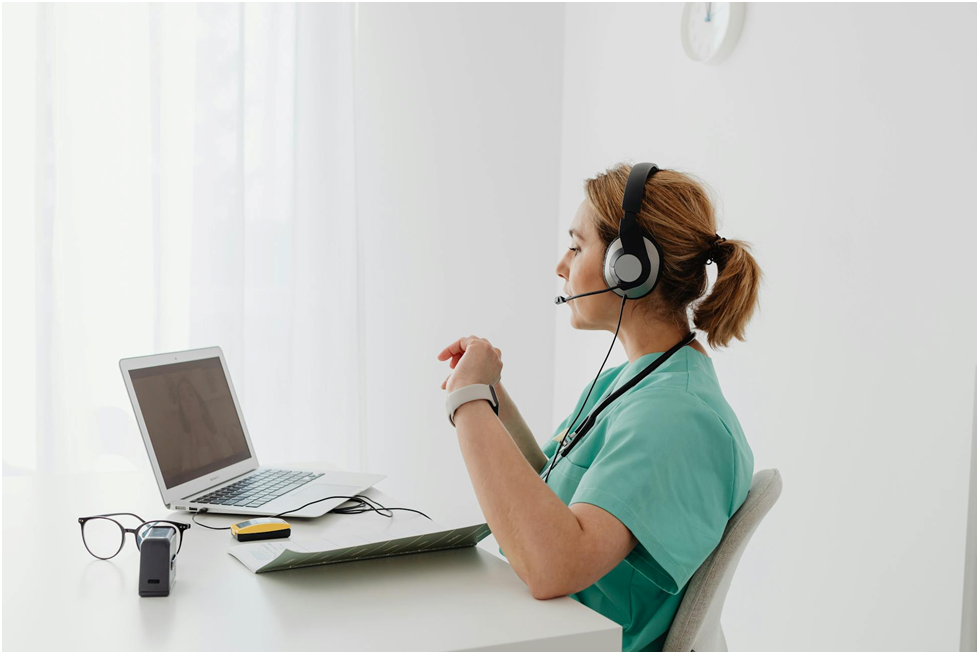
Telehealth has changed how nurses support patients beyond traditional settings. Virtual visits allow nurses to assist with follow-ups, education, and monitoring without requiring patients to travel. This approach benefits individuals who live in rural areas or face mobility challenges. Nurses often serve as the primary point of contact during telehealth sessions, guiding patients through technology and ensuring clear communication. Telehealth also helps reduce wait times and supports early intervention. As virtual care continues to grow, nurses who understand telehealth platforms can help expand access while maintaining quality care.
Enhancing Patient Monitoring with Smart Devices
Smart devices and remote monitoring tools give nurses access to real-time patient data. Wearable technology tracks vital signs, activity levels, and other health indicators. These insights allow nurses to identify changes early and respond quickly. Remote monitoring supports patients with chronic conditions and those recovering at home. Nurses play a key role in interpreting data and educating patients on proper device use. When nurses understand how to integrate this information into care plans, they improve safety and support long-term health management.
Improving Medication Safety Through Technology
Medication administration demands precision, and technology helps nurses reduce risks at every step. Automated dispensing systems and barcode scanning allow nurses to verify medications before administration. These tools match the correct medication to the right patient and dosage, which lowers the chance of human error. Nurses still rely on their clinical judgment, but technology adds an extra layer of safety. Digital alerts also help nurses recognize potential interactions or allergies. When nurses understand how to use these systems properly, they protect patients while maintaining efficient workflows in fast-paced care settings.
Using Data and Analytics to Support Better Decisions
Healthcare data offers valuable insights when nurses know how to interpret it. Patient trends, outcome measures, and quality indicators help nurses adjust care plans and identify areas for improvement. Nurses often contribute data through documentation, assessments, and patient interactions. This information supports evidence-based practice and informs policy changes within healthcare organizations. Nurses who understand analytics can participate more actively in quality improvement efforts. Data-driven decisions lead to more consistent care and better patient outcomes across diverse populations.
Strengthening Communication with Digital Tools
Clear communication remains critical in nursing, and digital tools now support faster and more accurate exchanges. Secure messaging platforms allow nurses to connect with physicians, therapists, and care coordinators in real time. These tools reduce delays and limit misunderstandings. Digital systems also support patient education by sharing instructions and updates in accessible formats. When nurses use communication technology effectively, they enhance teamwork and ensure patients receive timely information. Strong communication improves trust and supports safer care transitions.
Protecting Patient Privacy and Data Security
As healthcare becomes more digital, nurses carry greater responsibility for protecting patient information. Cybersecurity awareness helps prevent data breaches and maintains patient trust. Nurses must follow protocols when accessing records, sharing information, and using devices. Simple practices such as secure logins and proper system use reduce risks. Education on data security empowers nurses to identify potential threats and respond appropriately. By prioritizing privacy, nurses support ethical practice and comply with legal standards.
Healthcare continues to change, and nurses stand at the center of that transformation. Technology creates opportunities not only to deliver care differently, but to shape how care evolves. Nurses who take ownership of digital skills position themselves as problem solvers and advocates for better systems. By engaging with innovation, nurses help build a healthcare environment that supports safety, access, and long-term improvement.