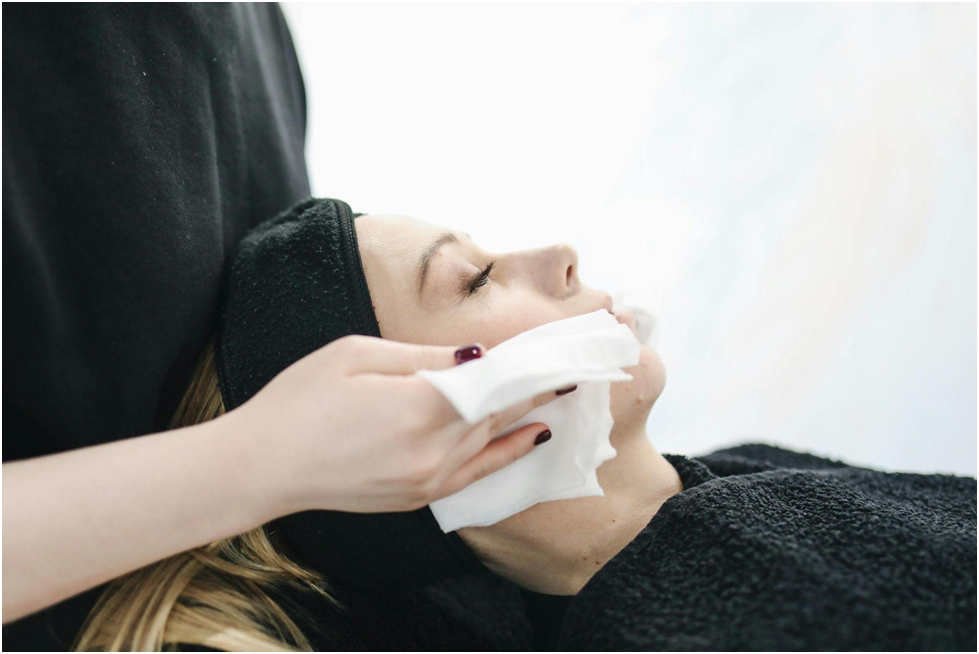
Many people want better skin without surgery. They want results that look natural and feel healthy. Collagen plays a big role in how skin looks and ages. When collagen levels drop, skin can lose firmness and strength. Healing also slows down over time. That is why non-surgical facial treatments have become so popular.
These treatments work with the skin instead of against it. They encourage the body to repair itself. They help improve texture, tone, and firmness without long recovery times. This article explains how common non-surgical facial treatments support collagen and healing in a simple and practical way.
Professional Non-Surgical Facial Treatments That Support Collagen Production
Non-surgical treatments work best when trained professionals guide the process. Medical-grade care allows providers to choose treatments based on skin type, age, and individual goals. This matters because collagen production affects skin firmness, elasticity, and overall strength, and it does not decline the same way for everyone.
Practices like Face Forward offer facial treatments that addresses both skin quality and deeper facial concerns. Non-surgical treatments such as microneedling, PRP, chemical peels, and radiofrequency-based procedures support collagen production and help the skin repair itself over time. For concerns that involve facial structure or more advanced aging, patients may also consider procedures such as facelifts, neck lifts, brow lifts, or chin surgery, depending on individual needs and goals.
Working with a qualified provider helps patients choose treatments that match their skin needs and allows enough time between sessions for proper healing.
Microneedling and Controlled Skin Repair
Microneedling helps the skin heal itself. The treatment uses fine needles to create tiny channels in the skin. These small injuries trigger the body’s repair response. As the skin heals, it produces new collagen.
This process can improve skin texture and firmness. It may also reduce the look of fine lines, acne scars, and uneven tone. Many people choose microneedling because it does not require long downtime. Mild redness often fades within a few days.
Microneedling works well on many skin types. Results improve with consistency. Providers often recommend a series of treatments spaced weeks apart.
PRP Treatments and Natural Healing Response
PRP stands for platelet-rich plasma. Providers take a small amount of the patient’s blood and process it to concentrate healing factors. They then apply or inject the PRP into the skin.
PRP supports healing at a deeper level. It signals the skin to repair damaged tissue and build collagen. Many people pair PRP with microneedling to enhance results. The combination supports smoother texture and healthier-looking skin.
Because PRP comes from the patient’s own blood, many people feel comfortable choosing it. Recovery stays minimal for most patients.
Radiofrequency Treatments for Skin Firmness
Radiofrequency treatments use heat to reach deeper layers of skin. This controlled warmth causes collagen fibers to tighten. Over time, it also encourages new collagen growth.
Treatments like Morpheus8 combine radiofrequency energy with microneedling. This allows providers to address both surface and deeper skin concerns. People often choose these treatments for mild skin laxity or early sagging.
Results develop gradually. Skin can feel firmer and smoother over several months. Most patients return to daily activities shortly after treatment.
Chemical Peels That Encourage Skin Renewal
Chemical peels remove damaged outer layers of skin. As the skin sheds, fresh skin replaces it. This renewal process supports collagen and improves overall tone.
Peels vary in strength. Light peels refresh the skin with little downtime. Medium peels target pigmentation and texture more deeply. Choosing the right peel matters for safety and results.
Chemical peels can improve dullness, uneven tone, and fine lines. Many people include them in a long-term skin care plan to maintain collagen health.
Combining Treatments for Better Results
One treatment alone may not address every concern. Many providers recommend combining treatments to support healing from different angles. For example, microneedling can improve texture while radiofrequency targets firmness.
Spacing treatments properly helps the skin heal fully between sessions. A customized plan reduces irritation and improves results. Combining treatments often leads to better collagen support over time.
Consistency matters more than intensity. Slow and steady care produces healthier skin.
Who Benefits Most From Collagen-Focused Facial Treatments
People in their late twenties and beyond often notice early signs of collagen loss. These treatments can support prevention as well as correction. Skin type also affects treatment choice.
Those with fine lines, uneven texture, or early laxity often see good results. Patients with acne scars or sun damage may also benefit. A professional consultation helps set realistic expectations.
Non-surgical treatments work well for people who want gradual improvement. They suit patients who prefer minimal downtime and natural results.
Non-surgical facial treatments offer a practical way to support collagen and healing. They help the skin repair itself while maintaining a natural look. Options like microneedling, PRP, radiofrequency, and chemical peels address different concerns.
Choosing professional care makes a difference. A guided approach ensures treatments match skin needs and goals. With the right plan, many people improve skin health without surgery and maintain results over time.