Long dresses have been a symbol of grace and sophistication for centuries. From the flowing gowns of ancient civilizations to the sleek silhouettes of modern fashion, these garments have stood the test of time. They offer a sense of drama and elegance that is rarely matched by other pieces in a woman’s wardrobe. Whether attending a formal event, a casual gathering, or simply enjoying a night out, the right long dress can elevate any look. Below, we explore the everlasting charm of long dresses and how you can harness their versatility for every occasion.
The Timeless Appeal of Long Dresses for Elegant Styling
The inherent elegance of long dresses is undeniable. They have the unique ability to make a statement while retaining a sense of grace and ease. A flowing silhouette can flatter a variety of body types, skimming over curves and elongating the figure. The choice of material, from breezy chiffons to luxurious velvets, also plays a key role in crafting a sophisticated look that can vary from ethereal to opulent.
Designers often favor long dresses for their ability to serve as a canvas for artistic expression. Intricate details like lace, beading, and embroidery can transform a simple gown into a work of art. The versatility of long dresses also lies in their variety: sleeveless, strapped, or full-sleeved designs cater to different preferences and weather conditions, ensuring there is always an appropriate choice for every woman.
For those seeking robes longues idéales pour toutes les occasions, the market offers an abundant selection. Retailers recognize the demand for these classic pieces and frequently update their collections to reflect the latest trends while maintaining the timeless qualities that make long dresses a wardrobe staple.
Accessorizing Long Dresses for a Personal Touch
Accessories play a pivotal role in personalizing long dresses. Choosing the right jewelry, shoes, and bags can completely transform the look of a gown. Statement necklaces or earrings can add a touch of glamour to a simple dress, while minimalist pieces may be all that’s needed to complement a more ornate gown. It’s all about finding the right balance that aligns with your personal style.
The choice of footwear is equally important. Heels often pair well with long dresses, creating a more formal and polished look, while elegant flats can be a comfortable and stylish alternative. When selecting shoes, consider the hemline of the dress—ideally, it should just graze the ground, showing a hint of the shoe beneath.
Beyond jewelry and footwear, the selection of outerwear and additional accessories can be crucial, particularly in variable weather. A tailored blazer or a delicate pashmina can keep you warm and add an extra layer of sophistication. Moreover, the right clutch or evening bag is essential for carrying essentials, and its style should seamlessly integrate with the overall ensemble.
The Evolution of Long Dresses in Fashion History
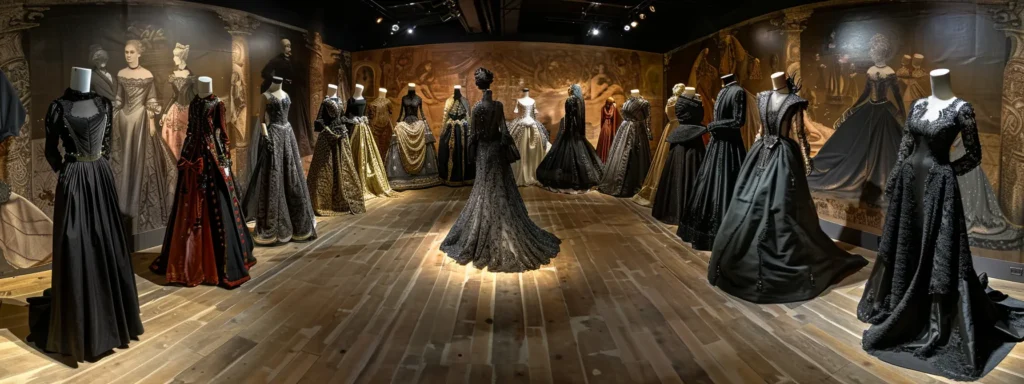
Long dresses have evolved considerably throughout history, often reflecting societal norms and the fashion landscape of the time. In the 18th and 19th centuries, long dresses were markers of status and wealth, adorned with elaborate fabrics and trimmings. While the shapes and styles have changed from the voluminous gowns of the Victorian era to the sleek flapper dresses of the 1920s, their prominence in fashion has remained constant.
The 20th century saw dramatic shifts in the design of long dresses. The Hollywood glamour of the 1930s and 1940s brought forth an era of sleek, body-hugging silhouettes, while the post-war 1950s revitalized the allure of the hourglass shape with full skirts and cinched waists. As the century progressed, long dresses continued to embody the spirit of their era, from the bohemian vibes of the 1970s to the power dressing of the 1980s.
Care and Maintenance Tips for Keeping Your Long Dresses Timeless
Prolonging the life of a long dress requires proper care and attention. Reading the care label before washing is crucial, as different fabrics require different care techniques. Some dresses may be machine washable, while others necessitate hand washing or professional dry cleaning to maintain their shape.
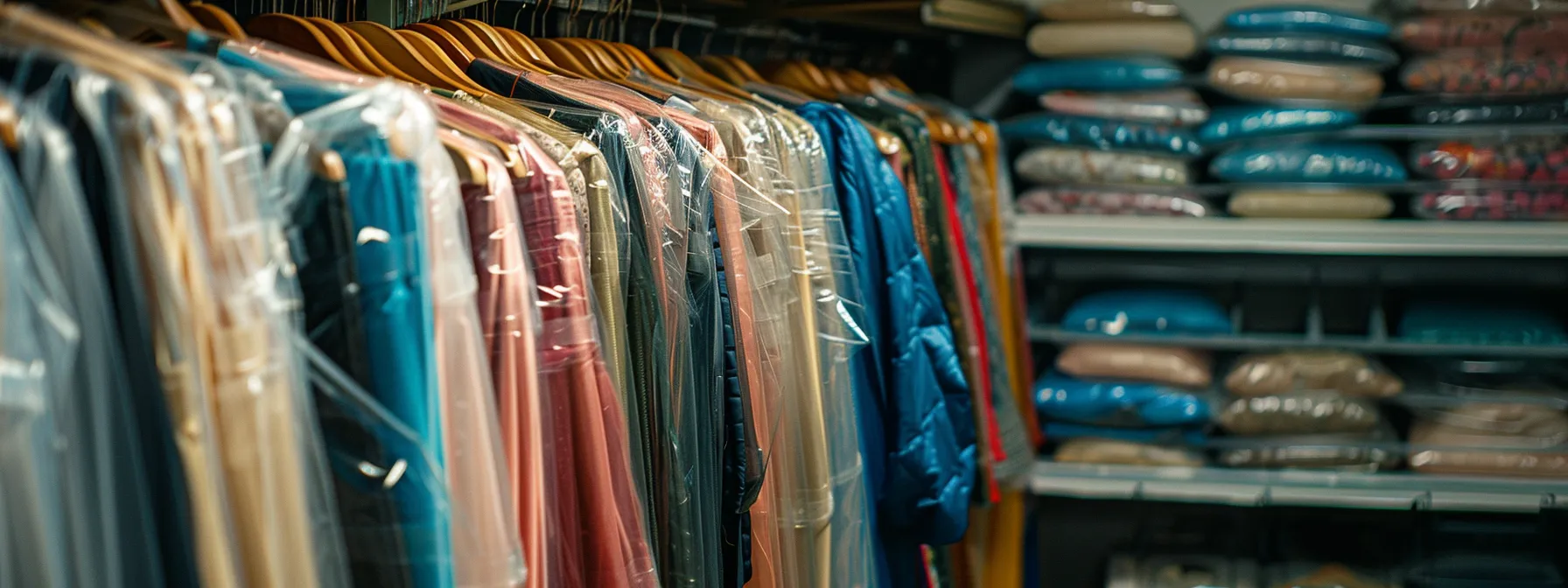
Storing long dresses appropriately is also important. Heavy gowns should be stored flat to avoid stretching, while lighter dresses can be hung on padded hangers to prevent damage to the fabric. Using garment bags can provide an extra layer of protection against dust and moths, especially for those dresses reserved for special occasions.
Overall, the charm of long dresses lies not just in their aesthetic appeal but also in their versatility and timeless nature. With careful selection, personalized styling, and proper care, they can serve as treasured components of your wardrobe, fit for any occasion. Whether it’s their role in fashion history or their modern resurgence, long dresses will always symbolize elegance and poise.