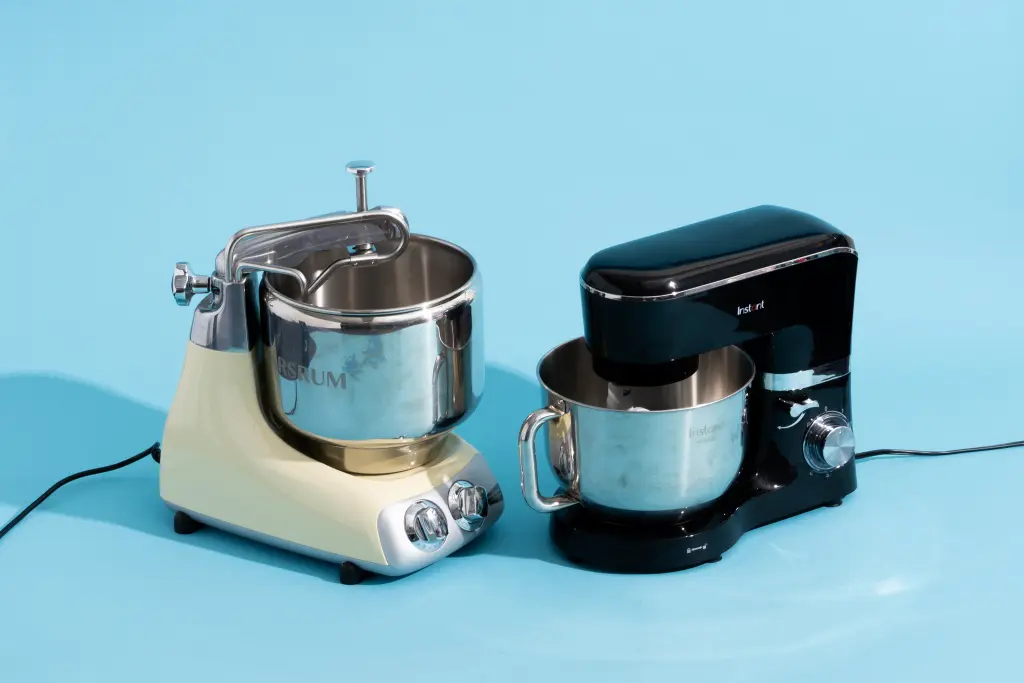
The stand mixer is a cornerstone of the modern kitchen, a symbol of baking prowess and culinary ambition. For many, its primary function is clear: to mix, knead, and whip. However, to view this powerful appliance as merely a mixer is to overlook its true potential. The real magic lies in its ecosystem of attachments, which can transform a single base unit into a comprehensive food preparation station. For those seeking to maximize their kitchen efficiency and explore the forefront of culinary tools, resources like mirabake.com offer invaluable insights into the world of food machinery. This article delves into the innovative world of stand mixer attachments, demonstrating how these tools represent significant equipment innovations that can revolutionize your cooking workflow.
The Foundational Trio: Mastering Core Techniques
Before exploring the specialized tools, it is crucial to understand the workhorse attachments that typically come with the machine. These are the fundamental instruments of kitchen efficiency.
- The Flat Beater: Often mistaken as the “standard” mixer, the flat beater is designed for general mixing. Its primary function is to combine ingredients for cakes, cookies, and batters with optimal aeration and consistency. Modern iterations feature flexible edges that scrape the bowl’s sides, a small but impactful equipment innovation that ensures a perfectly homogenous mix every time, eliminating the need to stop and scrape manually.
- The Wire Whip: This attachment is the key to incorporating air. It is essential for whipping cream to soft or stiff peaks, creating light and airy meringues, and beating eggs to a fluffy ribbon stage. The design, a series of interlocking wires, maximizes surface area to trap air bubbles efficiently, a principle that remains central to this tool’s design.
- The Dough Hook: The quintessential tool for bakers, the dough hook simulates the kneading action of hands. It develops gluten in bread and pizza doughs without overheating the ingredients, a common issue with manual kneading. This attachment alone justifies the investment for bread enthusiasts, turning a labor-intensive, time-consuming task into a simple, hands-off process.
Specialized Attachments: The Gateway to Culinary Expansion
Moving beyond the basics, a suite of specialized attachments unlocks new culinary dimensions. These tools are where the concept of a “global food machinery” ecosystem truly shines, offering professional-grade capabilities for the home cook.
- The Pasta Maker and Roller Set: This attachment is a game-changer for fresh pasta lovers. It rolls sheets of dough to precise thicknesses and cuts them into fettuccine or spaghetti. The difference in texture and taste between fresh and dried pasta is profound, and this tool makes the process accessible, turning a daunting project into a weekend delight. It epitomizes how targeted equipment innovations can democratize complex culinary arts.
- The Food Grinder: From crafting custom-blend burgers and sausages to preparing pâtés, the food grinder attachment offers unparalleled control over the quality and content of your meat. Its utility extends beyond meat, however; it can be used to grind vegetables for homemade veggie burgers or bread for fresh breadcrumbs. This versatility directly contributes to a more efficient and self-sufficient kitchen.
- The Slicer/Shredder: Equipped with various discs, this attachment can julienne vegetables for a slaw, thinly slice potatoes for gratin, or shred blocks of cheese in seconds. It eliminates the most tedious and risky aspect of meal prep, dramatically speeding up the process and ensuring uniform results that cook evenly. For anyone who values meal prepping or entertains frequently, this is a pinnacle of kitchen efficiency.
Advanced Equipment Innovations: The Cutting Edge at Home
The innovation in stand mixer attachments continues to evolve, pushing the boundaries of what is possible in a home kitchen. These advanced tools reflect the latest trends in global food machinery, bringing restaurant-level techniques to the countertop.
- The Spiralizer: Catering to health-conscious trends, the spiralizer attachment creates vegetable “noodles” from zucchini, carrots, and sweet potatoes. It’s a fun, efficient way to increase vegetable intake and create visually stunning, low-carb dishes.
- The Grain Mill: For the ultimate in from-scratch baking, the grain mill allows you to grind whole grains into fresh flour. This not only provides unparalleled flavor and nutritional benefits but also connects the cook more deeply to the ingredients’ source. It represents a significant shift towards holistic food preparation.
- The Ice Cream Maker: This attachment churns frozen desserts by using a frozen bowl and a unique dasher. It allows for complete creativity in flavor, free from the stabilizers and preservatives found in store-bought alternatives, showcasing how attachments can expand a mixer’s function into entirely new domains like dessert fabrication.
Conclusion: Building a Smarter Kitchen Ecosystem
The humble stand mixer, when viewed as a central power hub, ceases to be a single-purpose appliance and becomes the heart of a highly efficient kitchen workstation. The strategic acquisition of attachments is an investment in capability, time-saving, and culinary creativity. Each specialized tool eliminates a manual task, reduces cleanup by containing processes to one central unit, and opens the door to new recipes and techniques. These equipment innovations are not mere gimmicks; they are thoughtfully engineered solutions that reflect a deep understanding of culinary needs on a global food machinery scale. To explore a comprehensive range of these transformative tools and deepen your understanding of how they can enhance your culinary workflow, a valuable resource is mirabake.com. By embracing the full potential of your stand mixer’s attachment system, you are not just baking a cake or kneading dough—you are architecting a more fluid, creative, and efficient cooking environment.