Accessing your smart home dashboard through http //homeassistant.local.8123 unlocks a powerful way to manage devices, routines, and automation. This local address connects you directly to the Home Assistant interface, offering speed, privacy, and full control. Now, let’s explore how it works, how to fix common issues, and how to use it securely.
What Is http //homeassistant.local.8123
The address http //homeassistant.local.8123 is a local network URL that opens the Home Assistant dashboard. It works only within your home network. This means no external internet is required. Even better, the connection happens directly between your browser and the Home Assistant device.
Home Assistant uses port 8123 as its default web interface port. Therefore, this address combines the device name, local network domain, and port number. You simply enter it into a browser to access all smart home controls.
How Does It Work on Your Local Network
When your Home Assistant device connects to Wi-Fi or Ethernet, it registers itself under the local hostname homeassistant.local. Your browser resolves this name to a local IP address. Afterward, port 8123 opens the control panel.
However, it only works when your computer or smartphone shares the same network. Moreover, if your router blocks mDNS or your device uses a static IP, the address might fail.
How to Access http //homeassistant.local.8123 Step-by-Step
First, make sure Home Assistant is running on a Raspberry Pi, NAS, or virtual machine. Then, follow these steps:
- Connect your phone or PC to the same Wi-Fi network.
- Open your browser and type http //homeassistant.local.8123.
- Wait for the login screen to load.
- Enter your username and password to access the dashboard.
- Start managing lights, sensors, cameras, and automations.
Common Issues and How to Fix Them

Sometimes the address doesn’t load. Don’t worry. There are easy fixes.
- Try the IP Address: Enter something like http://192.168.x.x:8123 instead.
- Restart Home Assistant: Power off and on the system.
- Check mDNS Support: Ensure your router allows local name resolution.
- Disable VPN or Proxy: These often block local addresses.
- Clear Browser Cache: Old data may slow down the interface.
Why Use a Local Address Instead of Cloud Access
Using http //homeassistant.local.8123 offers several advantages. First, it works even if your internet is down. Second, it keeps your data private because everything stays inside your home network. Furthermore, loading speed increases since no cloud server sits in between.
However, remote control requires extra setup like Home Assistant Cloud or DuckDNS. Still, for fast daily control, the local address performs best.
How to Secure Access to http //homeassistant.local.8123
Security matters with smart homes. You can enhance protection using simple steps.
- Enable strong login passwords.
- Use two-factor authentication in the profile settings.
- Avoid sharing your Wi-Fi network with unknown users.
- Set up user roles for family members.
Additionally, securing your router prevents unwanted network access. Once done, your dashboard stays safe and private.
How to Use Dashboards and Automations After Login
Once logged in, you can create custom dashboards. Add cards for lights, temperature, doors, or cameras. Furthermore, drag-and-drop tools make designing layouts simple. You can track real-time data and run devices with a single tap.
Next, visit the Automations menu. Create triggers using time, sensor value, or device status. Then, set actions like turning off lights or sending notifications. In addition, test each automation manually before saving.
Troubleshooting Slow Loading or Connection Errors
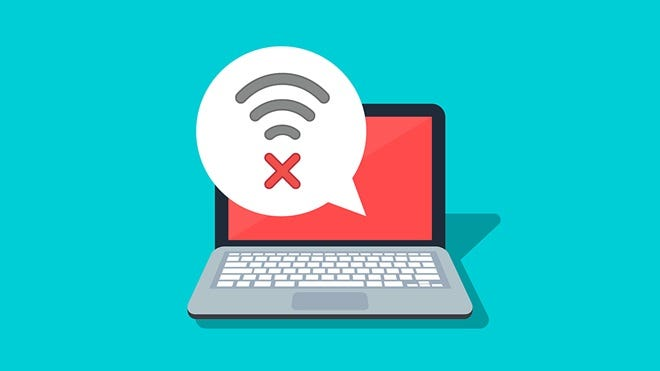
If http //homeassistant.local.8123 loads slowly, follow these tips:
- Update Home Assistant to the latest version.
- Remove unused integrations.
- Clear browser cookies and history.
- Restart the router and device.
- Use a wired connection for improved speed.
Sometimes heavy logs or corrupted files cause delays. Therefore, running system checks inside the Supervisor panel helps restore smooth performance.
How to Access It on Mobile Using the App
You can also use the Home Assistant mobile app. After installation, it automatically detects http //homeassistant.local.8123. If not, manually enter the local IP address. The app syncs dashboards, notifications, and sensors.
Moreover, enabling background sensors improves automation accuracy. Try features like location tracking, battery monitoring, or motion detection. Each setting helps create smarter routines.
Benefits of http //homeassistant.local.8123 for Smart Living
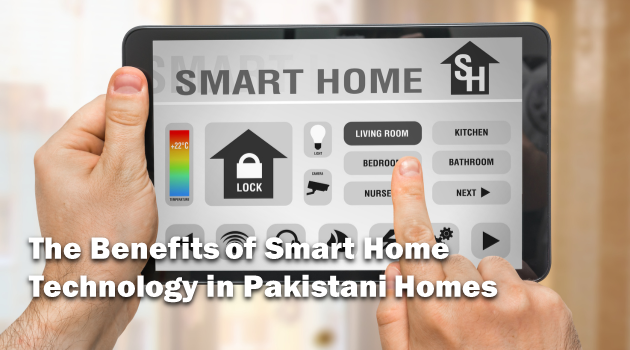
Using this local dashboard gives you:
- Faster access to devices
- Offline control during internet outages
- Privacy-friendly data handling
- Custom automation without limitations
- Full flexibility over design and integration
Above all, it helps you build a personalized smart home without depending on cloud servers or third-party systems.
Conclusion
Now you know exactly how http //homeassistant.local.8123 works, why it’s important, and how to fix common issues. So, start using it to control your devices, build automations, and secure your smart home. Don’t wait — open your browser, log in, and take charge of your home setup today!
FAQs
1. What device uses http //homeassistant.local.8123?
It’s used by any system running Home Assistant, like Raspberry Pi, NAS, or virtual machines.
2. Why is the address not loading on my browser?
Your device might not be on the same network, or mDNS is disabled on your router.
3. Can I access it outside my home?
Yes, but only after enabling secure remote access services like HA Cloud or DuckDNS.
4. Is it safe to use this without SSL?
It’s generally safe on private networks; however, using HTTPS is recommended for extra protection.
5. What is the default login for Home Assistant?
There is no default. You create your username and password during the first setup.