
Talking to oneself might feel strange or even embarrassing at times. However, it is more common than most people realize. Many individuals engage in self-talk daily, using it as a tool to organize thoughts, solve problems, or regulate emotions. But is it normal to talk to yourself? The answer lies in understanding its purpose and impact.
Self-talk serves as a cognitive process that helps people plan, focus, and process emotions. Psychologists suggest that it is a natural human behavior that can improve mental clarity and emotional health. By examining the reasons behind talking to yourself, you can better understand its normalcy and even benefit from it.
Why People Talk to Themselves
People often speak aloud to themselves for various reasons. One main reason is to process thoughts more effectively. When complex problems arise, talking through them aloud can help clarify ideas. Additionally, self-talk can boost concentration and memory. Many students and professionals use it as a strategy to stay focused during challenging tasks.
Another reason people engage in self-talk is emotional regulation. Expressing feelings verbally, even if only to oneself, can reduce stress and anxiety. By acknowledging emotions out loud, the mind can process them more efficiently. Therefore, is it normal to talk to yourself? Yes, especially when managing tasks and emotions.
Self-Talk as a Cognitive Tool
Cognitive psychologists emphasize that self-talk is not merely a quirky habit. It functions as a tool for problem-solving and decision-making. For instance, athletes often speak to themselves to maintain focus and motivation during competitions. Similarly, writers and artists might vocalize ideas to explore creativity. By doing so, they strengthen thought patterns and memory recall, making mental tasks easier.
Furthermore, verbalizing thoughts can prevent mistakes. Saying instructions aloud can improve task accuracy, especially in work or study settings. Hence, talking to oneself is not only normal but also practical. It enhances mental efficiency, promotes logical thinking, and improves performance across daily activities.
Types of Self-Talk
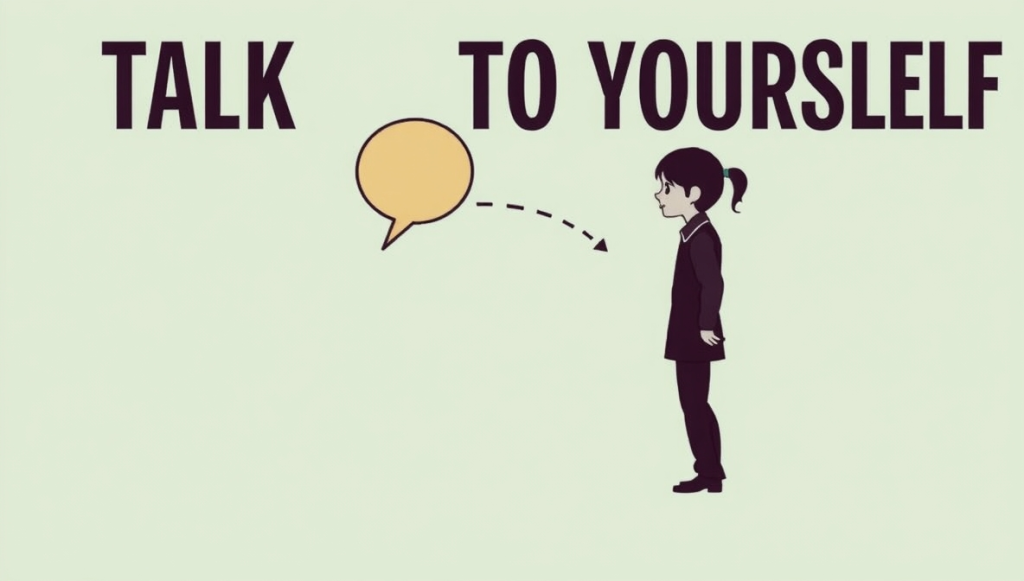
Self-talk is not uniform; it can be positive, negative, or neutral. Positive self-talk involves encouraging statements, such as “I can do this” or “I am prepared.” Negative self-talk includes self-criticism or doubt, which can harm confidence. Neutral self-talk is often reflective, focusing on observations or instructions, like “Turn off the lights” or “Finish this step next.”
Interestingly, the type of self-talk affects mental health outcomes. Positive self-talk improves motivation, productivity, and emotional stability. Meanwhile, negative self-talk may increase anxiety or reduce confidence. Understanding these types can help you use self-talk constructively, reinforcing why it is normal to talk to yourself when managed properly.
Benefits of Talking to Yourself
Talking to yourself offers numerous benefits for mental and emotional health. First, it improves focus and organization. By vocalizing tasks or goals, the mind can track priorities efficiently. Second, it enhances memory and learning. Repeating information aloud helps retain knowledge longer than silent reading. Third, self-talk can reduce stress by helping you release bottled-up emotions verbally.
Additionally, self-talk encourages self-reflection. Discussing thoughts aloud allows for deeper insight into behavior and decision-making. Consequently, it promotes self-awareness and personal growth. These benefits highlight that self-talk is not only normal but also valuable for everyday life.
When Self-Talk Might Be Concerning
While self-talk is usually harmless, certain patterns may signal concern. For example, if someone experiences constant negative self-talk, hallucinations, or speaks to imaginary voices in distressing ways, it may indicate underlying mental health issues. Consulting a professional can help distinguish normal self-talk from problematic behavior.
Most often, casual or goal-directed self-talk is harmless and beneficial. The key is awareness and context. If self-talk remains productive, motivational, or reflective, it continues to support cognitive and emotional health. Therefore, recognizing the difference ensures that talking to yourself remains normal and healthy.
How to Make Self-Talk Healthy

Healthy self-talk can be cultivated intentionally. Begin by focusing on positive and goal-oriented statements. Use encouraging language, such as “I can handle this” or “Step by step, I will finish.” Avoid negative self-criticism, and instead, replace it with constructive reflection. Additionally, practice mindful self-awareness to notice when self-talk becomes excessive or stressful.
Incorporating self-talk into routines can also improve effectiveness. For example, during work, exercise, or learning, verbalizing steps and strategies enhances focus and memory. By doing so, talking to yourself becomes a structured, beneficial habit rather than a random or negative occurrence.
Conclusion
In conclusion, talking to yourself is completely normal and often beneficial. It supports cognitive function, emotional regulation, and personal growth. Most people engage in self-talk daily without realizing it. By embracing healthy self-talk and focusing on positive, goal-oriented communication, you can improve focus, reduce stress, and enhance overall well-being. Start today: speak kindly to yourself, organize your thoughts aloud, and unlock the power of your inner dialogue.
FAQs
1. Is it normal to talk to yourself out loud?
Yes, speaking aloud to yourself is a common behavior. It can help with focus, planning, and emotional expression. Many people do it daily without any issues.
2. Can talking to yourself be helpful?
Absolutely. It improves memory, problem-solving skills, and emotional regulation. Positive self-talk also boosts confidence and motivation.
3. When does talking to yourself become concerning?
It may be concerning if it includes hallucinations, distressing voices, or constant negative self-talk. Consulting a mental health professional can provide guidance.
4. Does self-talk affect mental health?
Yes, constructive self-talk promotes emotional well-being and cognitive performance. Negative self-talk can harm confidence and increase anxiety if not managed.
5. How can I practice healthy self-talk?
Focus on positive, goal-oriented statements. Be mindful of excessive or negative self-talk. Use it as a tool for organization, problem-solving, and emotional release.